
Saint-Melaine Church: A Hidden Gem in Rennes
August 06, 2025

I spent nearly two hours exploring Saint-Melaine Church, fascinated by the intricate stained glass windows and medieval stone carvings that tell centuries of local history. The free guided tour provided incredible insights, and the church's proximity to Rennes city center made it an easy and memorable stop during my Brittany trip.
Hidden in the heart of Rennes, Saint-Melaine Church harbors medieval secrets most tourists never discover. Uncover the centuries-old stories etched in stone and glass that transform this seemingly simple church into a gateway of Breton history.
Need-to-Know Info Before Visiting Saint-Melaine Church
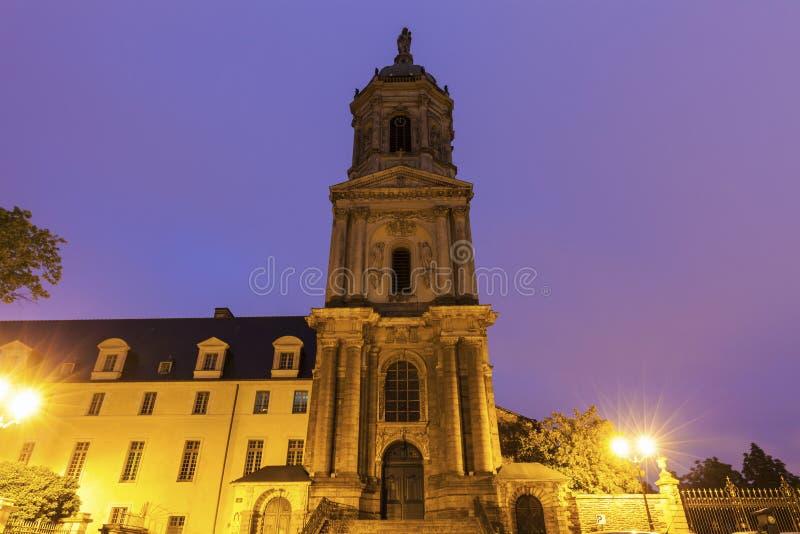
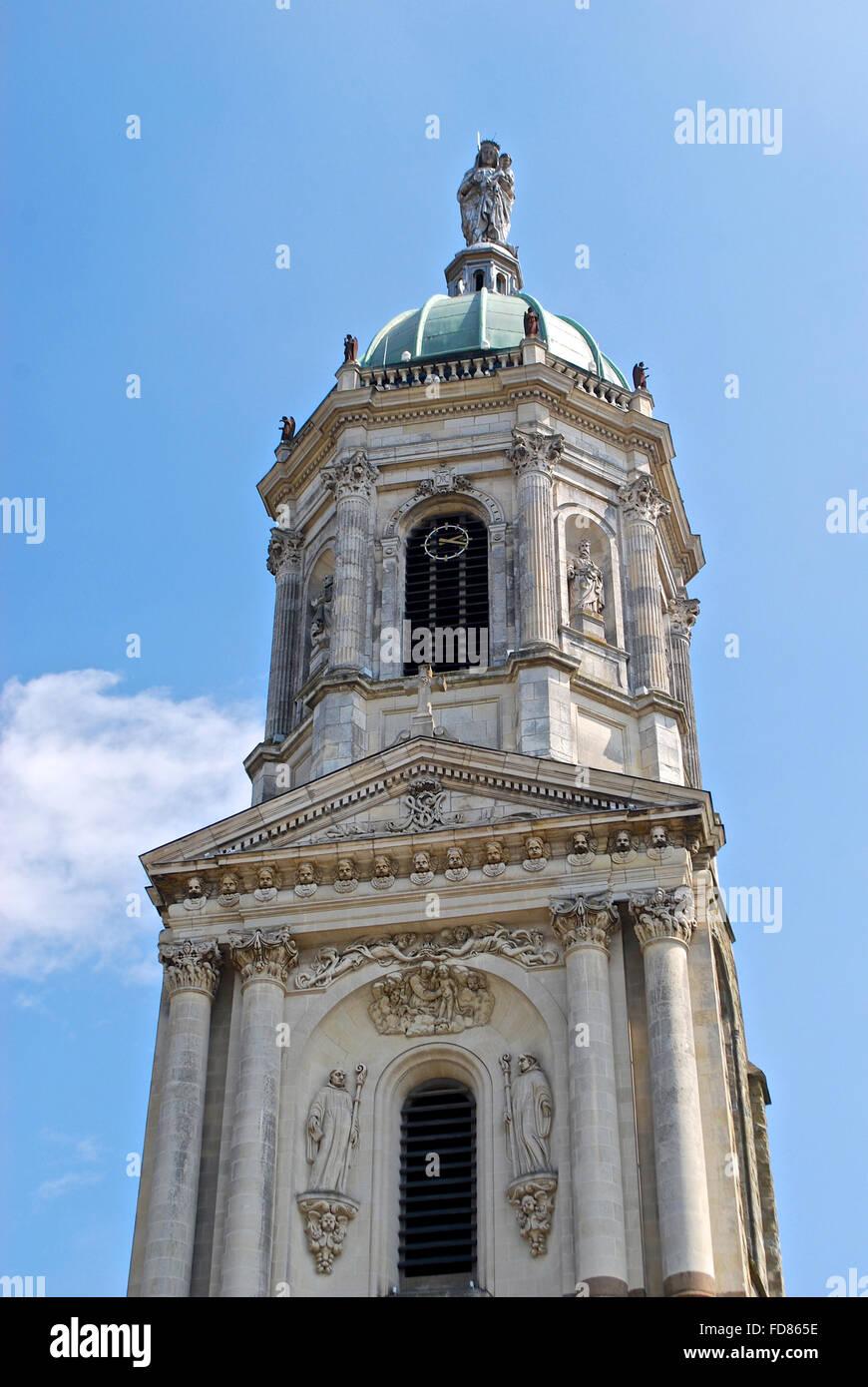
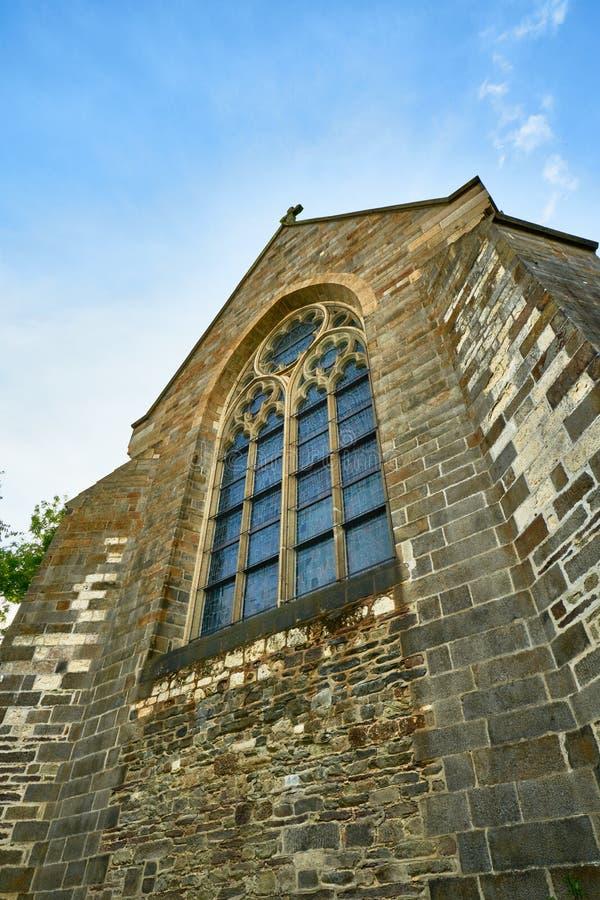
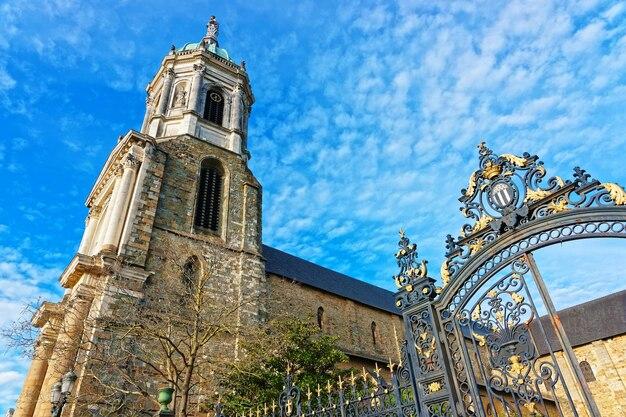
5+
images
Saint-Melaine Church Address
Place Sainte-Melaine, 35000 Rennes, France
Saint-Melaine Church Opening Hours
- 🕒 Monday-Saturday: 9 AM - 5 PM
- 🕒 Sunday: Limited hours, check local schedules
- 🕒 Closed on major French holidays
How to get to Saint-Melaine Church
- 🚗 By car: Parking available near Rennes city center
- 🚌 Public transport: Metro Line A, stop at Sainte-Anne station
- 🚕 Rideshare: Uber and local taxi services accessible
What is Saint-Melaine Church known for?
- 14th-century Gothic architectural masterpiece in the heart of Rennes
- Houses rare medieval stained glass windows from the Renaissance period
- Connected to the historic Abbey of Saint-Melaine, significant in Brittany's religious history
- Features remarkable stone sculptures depicting biblical scenes from the 15th century
- Located in a UNESCO World Heritage site area of Rennes
What is Saint-Melaine Church in Rennes?
Saint-Melaine Church sits at the crossroads of Rennes' medieval history and contemporary tourism, drawing around 30,000 visitors annually. Located in the historic district, this Gothic landmark attracts history buffs and architecture enthusiasts who want to experience Brittany's rich cultural heritage. Unlike massive cathedrals that dominate city skylines, this church offers an intimate glimpse into 14th-century religious architecture. Travelers can explore intricate stone carvings, marvel at Renaissance-era stained glass windows, and capture stunning photographs of its detailed exterior. Photography enthusiasts particularly love the church's west-facing facade, which catches golden afternoon light perfectly. While not as crowded as Paris landmarks, Saint-Melaine Church provides a genuine connection to Brittany's architectural and spiritual traditions. Local tour guides often highlight its role in regional history, making it a key stop for travelers wanting to understand Rennes beyond typical tourist routes. During summer months, guided tours run twice daily, offering deeper insights into the church's construction and historical significance.
Top things to do at Saint-Melaine Church
- Join the free 45-minute guided tour exploring the church's medieval architectural details and hidden historical stories
- Examine the rare 15th-century stained glass windows, particularly the intricate biblical narrative scenes in the south transept
- Photograph the ornate stone sculptures depicting saints and religious figures near the church's main entrance
- Listen to the historic pipe organ, which dates back to the 17th century and is still used during special musical performances
- Visit the small museum section inside the church showcasing religious artifacts and historical documents from Brittany's religious history
- Attend the evening choral concert series (typically held monthly) featuring local and regional musical ensembles performing sacred music
Tickets and Entry
Entry to Saint-Melaine Church is free for visitors, with optional guided tours available for a small fee of 5 euros. Tourists can purchase tour tickets directly at the church entrance or online through the Rennes Tourist Office website. Group discounts are available for parties of 10 or more people. Photography is permitted inside the church, but flash photography is restricted to protect the delicate historical artifacts and stained glass.
Dress Code
As an active Catholic church and historical site, visitors should dress respectfully. Shoulders and knees should be covered. Avoid wearing shorts, sleeveless tops, or revealing clothing. During religious services, visitors are expected to maintain a quiet and reverent demeanor.
History of Saint-Melaine Church
- 1000 AD: First religious structure established on this site by Benedictine monks
- 1238: Construction of the current Gothic-style church begins
- 1350: Major architectural expansions completed during the Hundred Years' War
- 1535: Significant renovations add Renaissance architectural elements
- 1789: Church survives French Revolution with minimal damage
- 1862: Classified as a Historical Monument of France
- 1944: Partially restored after World War II bombing damage
- 2005: Comprehensive restoration project preserves medieval architectural features
Cultural Significance
Saint-Melaine Church represents a critical spiritual and architectural landmark in Brittany's religious heritage. The church symbolizes the region's deep Catholic traditions and serves as a testament to medieval architectural craftsmanship. Local residents consider it a source of community pride, hosting important religious ceremonies and cultural events throughout the year.
Tips for Visitors
- Best visited during morning hours for optimal lighting and fewer crowds
- Allow at least 1-2 hours for a comprehensive tour and exploration
- Bring comfortable walking shoes for uneven medieval stone floors
- Download the free audio guide from the Rennes Tourist Office before visiting
- Check local event calendars for potential special concerts or exhibitions
- Nearby cafés offer excellent spots for post-visit refreshments
- Wheelchair accessibility is limited due to historical structure
What are some interesting facts about Saint-Melaine Church?
- Local legend claims a hidden underground tunnel connects Saint-Melaine Church to the nearby Rennes Palace, used by monks during medieval times for secret communications
- The church's oldest stained glass window contains a deliberate 'mistake' - a small figure facing the wrong direction, placed by a medieval craftsman as a signature of humility
- During the French Revolution, the church survived potential destruction by converting its religious artifacts into musical instruments to prove cultural value to revolutionary authorities